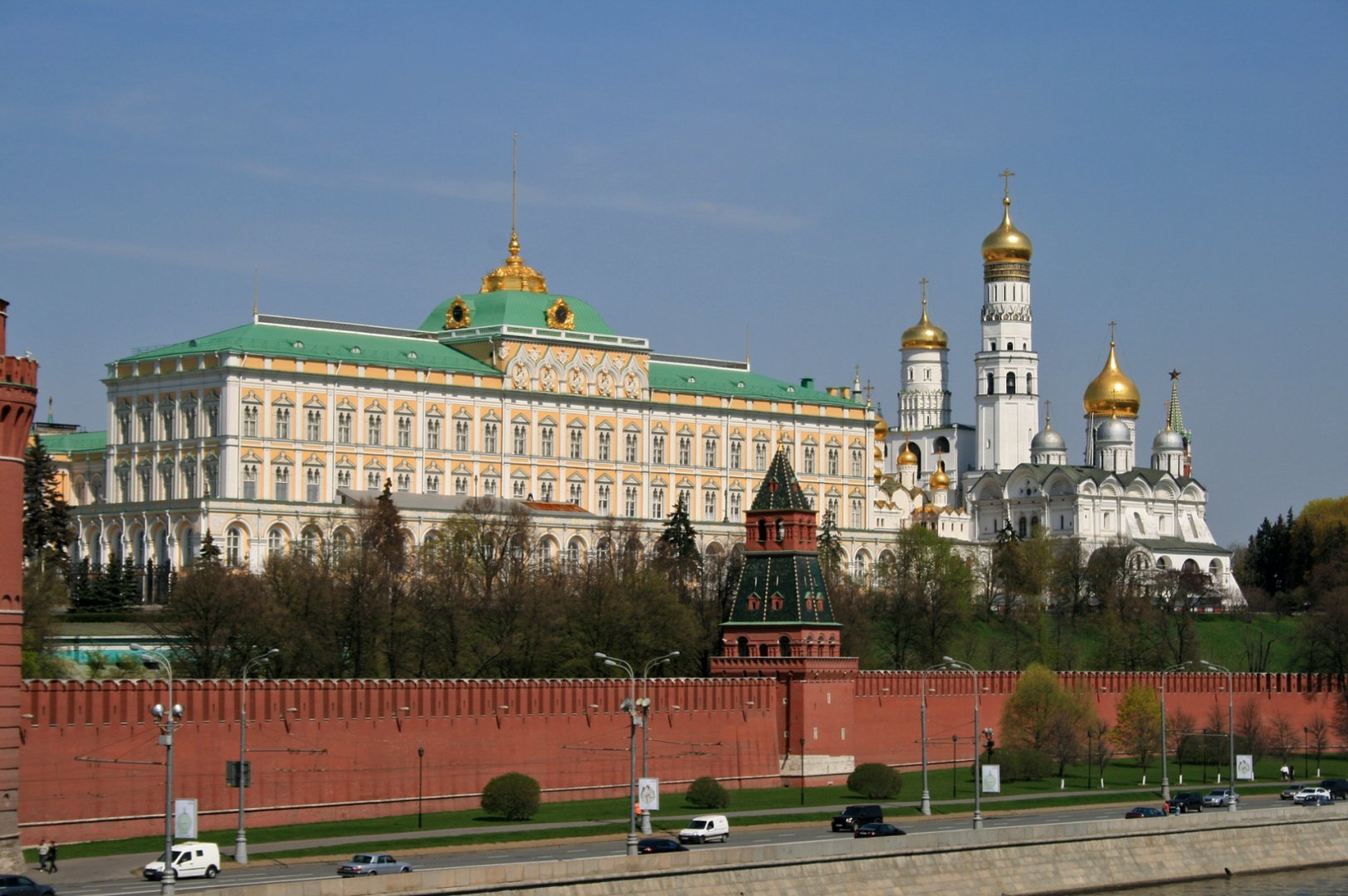
The European Union today faces an unprecedented threat to the stability of its democratic societies, a phenomenon that EU institutions have identified as a veritable "undeclared war against liberal values" on which the peace and prosperity of the continent are founded. Russian action does not manifest itself through conventional diplomatic or military challenges, but through an extremely complex and sophisticated hybrid strategy that integrates information warfare techniques, intelligence operations, criminal infiltration, and systematic exploitation of financial and political vulnerabilities present in European democracies.
The Kremlin's Strategic Objectives
The strategic objective of this articulated campaign develops on two complementary fronts. Internally, the action aims to promote distrust in the democratic process and EU institutions, distorting facts and manipulating the reality perceived by European citizens. Externally, it seeks to undermine the unity and capacity for action of the EU, particularly regarding military and financial support for Ukraine, essential for defense against Russian aggression. The scope of Kremlin-orchestrated disinformation has reached levels that analysts describe as alarming: a European Commission study revealed that in the first year of the Ukrainian conflict, online platforms allowed Moscow to conduct a large-scale disinformation campaign, reaching an aggregate audience of at least one hundred sixty-five million people in the EU and generating no less than sixteen billion views. These data demonstrate that information warfare is an integral part of the Kremlin's orchestrated attack against Europe.
The Three Vectors of Russian Interference
In-depth analysis of Russian interference reveals that pro-Kremlin alignment within the EU is not a monolithic phenomenon, but articulates through various operational vectors, often interconnected, that recruit political, media, and bureaucratic actors.
1. Financial and Corrupt Alignment
The first vector is financial and corrupt alignment, involving political actors and parties receiving illicit funding or advantageous loans in violation of transparency rules. The primary objective is to transform these politicians into amplifiers of Russian propaganda, making them act as agents of Kremlin interests from within democratic institutions. Revelations about Russian funding of activities and politicians within the EU continue to emerge regularly, indicating the persistence of this tactic over time.
2. Operational and Intelligence Alignment
The second identified vector is operational and intelligence alignment, concerning individuals actively recruited as "agents of influence" or informants by Russian secret services, particularly the FSB. These figures aim to divide European public opinion and compromise the security and credibility of institutions, such as the European Parliament.
3. Legal and Economic Alignment
The third vector is legal and economic counter-sanctions alignment, concerning actors such as oligarchs and state companies that, while not directly political, use the European legal and financial system to challenge and circumvent EU-imposed sanctions, often with the support of Western consultants and lobbyists. Violation of these restrictive measures is so widespread that the European Commission has proposed classifying it as a serious crime at EU level.
The Interdependence of Alignment Vectors
A thorough assessment of Russian tactics reveals a sophisticated model of interdependence between these alignment vectors. Financial support is not an end in itself, but serves as a catalyst for disinformation amplification. Targeted corruption of politicians, such as that detected through the use of accounts affiliated with specific parties like the German AfD, ensures that propaganda messages reach a vast audience and, above all, are conveyed by figures with democratic legitimacy. The strategic value of this interconnection is evident: the high volume of views generated by Russian propaganda is enhanced by the presumed credibility of politicians who actively spread such narratives. The Kremlin aims to transform the democratic platform into a weapon, ensuring that the influence exerted is not perceived merely as external media noise, but as a legitimate internal political message. This system disproportionately increases the negative impact of propaganda on civic online debate in Europe.
The Ždanoka Case: An FSB Agent in the European Parliament

In the European Parliament, the most serious case of operational intelligence penetration concerns Tatjana Ždanoka, a Latvian MEP who was placed under investigation for her alleged activity as an agent in service of Russia. The accusations, revealed by authoritative press organs, suggest that Ždanoka acted as an informant for the Russian Federal Security Service for decades, starting at least from 2005. Evidence includes leaked email exchanges between the deputy and two officials from the FSB's fifth section. During her mandate, Ždanoka maintained a markedly pro-Russia political line, voting against the EU resolution condemning the Russian invasion of Ukraine in February 2022 and is known for constantly spreading anti-Latvia and anti-EU narratives. She was also involved in fake election observation missions in Russian-occupied territories, thus legitimizing Kremlin actions. Following the revelations, Latvian authorities initiated criminal proceedings on February 22, 2024, and the European Parliament requested a thorough internal investigation to determine appropriate sanctions and criminal proceedings.
The "Moscowgate" Scandal and Voice of Europe


The scandal known as "Moscowgate" exposed a Russian influence operation that used the media platform Voice of Europe to channel money and propaganda to European politicians, particularly prominent figures of the German far-right. The two most prominent cases involve the main candidates of the Alternative für Deutschland party for European elections.
Maximilian Krah, lead candidate for AfD, was investigated by the Dresden Public Prosecutor's Office for suspected Russian and Chinese funding linked to his parliamentary activity. He was connected to the Voice of Europe scheme and US investigations linked him to accepting payments from Oleg Voloshyn, a pro-Russian activist on the US sanctions list. News of these preliminary investigations added to the previous scandal regarding the arrest of his parliamentary assistant suspected of being a Chinese agent.
Petr Bystron, second on the AfD list, is under investigation for corruption of elected officials and money laundering. Investigative reports revealed that Bystron allegedly benefited financially from six-figure sums transiting through the Voice of Europe network, using a financial flow passing from Poland to the Czech Republic. In response, the German Bundestag revoked his parliamentary immunity, allowing searches of his offices and residences in Germany and Mallorca. Authorities noted that AfD contributed to increasing the reach of pro-Kremlin propaganda online, an impact that ongoing investigations suggest was facilitated by direct funding aimed at discrediting EU policies, particularly those related to Ukraine.
Russian Funding of European Political Parties
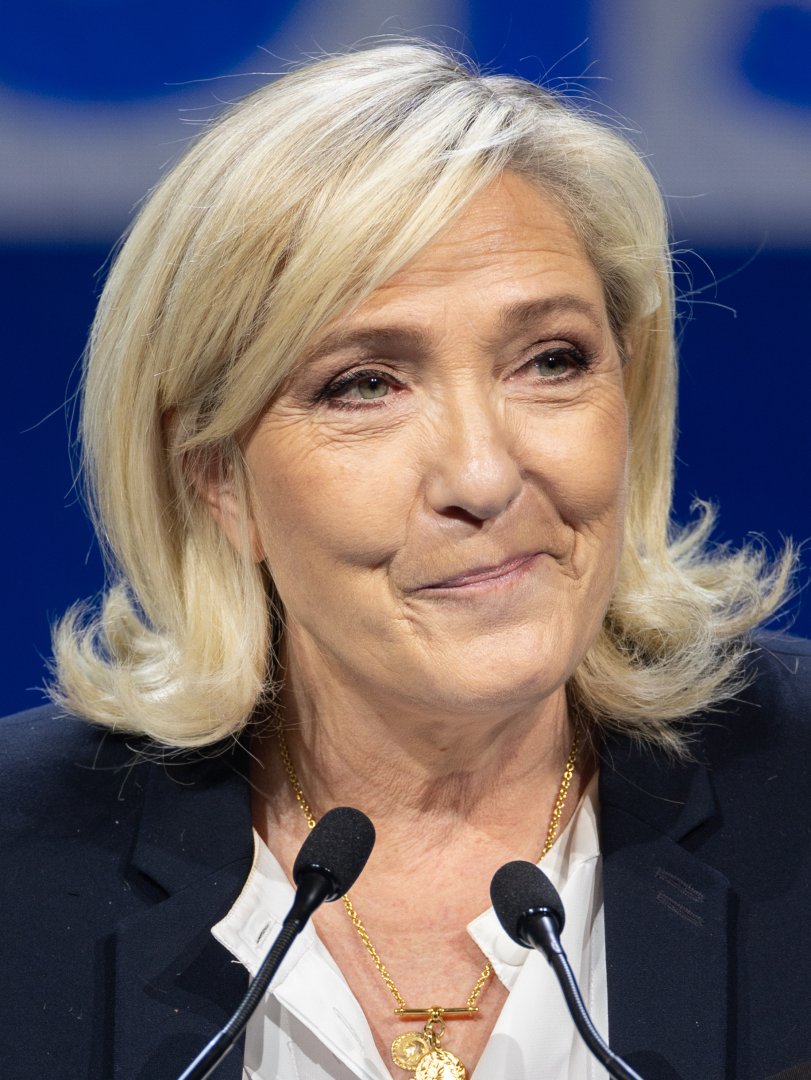
Russian influence extends well beyond individual operative agents and manifests in structural support for entire political formations that share or are willing to promote the Kremlin's vision. A notorious example is the financial support provided to the French party Rassemblement National of Marine Le Pen, which received a loan of 9.4 million euros in 2013.
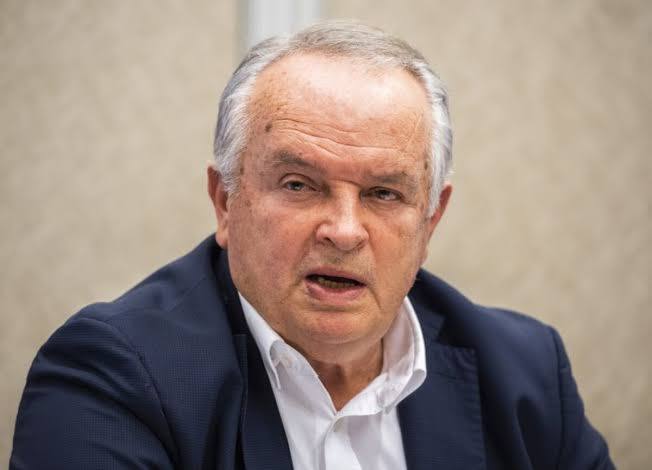
This financial dependency relationship led Le Pen and members of her party to express pro-Kremlin positions on various occasions. European Parliament resolutions condemn Russian efforts to undermine democracy, noting that Moscow has created a dependency relationship with certain parties that act as propaganda amplifiers. Deputies from the Identity and Democracy and Left groups are often cited for their promotion of pro-Kremlin narratives. Among these, MEP Miroslav Radačovský was named for receiving payments from Russian sources, going so far as to issue calls for the "destruction of Europe."
Revelations have also touched secessionist movements, such as the relationship between Catalan activists and Moscow. It was reported that former separatist leader and current MEP Carles Puigdemont allegedly met with former Russian diplomats on the eve of the illegal referendum in Catalonia in October 2017.
The Kremlin's Flexible Financial Strategy
The Kremlin's approach to political influence is characterized by the use of a flexible financial strategy that adapts the interference tool according to the maturity and need of the political target. On one hand, the granting of significant loans, such as the 9.4 million euros to Le Pen's party, represents a structural political investment aimed at ensuring an ideological alliance over the long term, creating a financial dependency that binds the party to a political line favorable to Russia.
On the other hand, recent investigations into Voice of Europe involving Krah and Bystron demonstrate the use of a fast and targeted corruption tactic. Illicit cash payments are short-term instruments, ideal for directly influencing imminent electoral cycles, such as European elections, maximizing propaganda impact. The European Parliament expressed deep concern that foreign funding violating transparency rules constitutes a serious corruption factor undermining the integrity of the electoral process. The distinction between the structural dependency model through long-term loans and tactical corruption through direct payments is crucial for understanding the evolution of Russian tactics from 2013 to 2024. This dual-track approach underlines how interference is not a random action, but a coherent project exploiting all regulatory gaps in political financing across different democratic countries.
Voice of Europe: The Information War
Russian information warfare relies on the targeted use of media platforms and the training of individuals, journalists, and self-styled "fact-checkers," who serve as legitimization vectors for Kremlin narratives. The Voice of Europe operation, part of the Moscowgate scandal, emerged as the main mechanism for channeling Russian influence through media and political corruption. VdE was identified as a Russian-financed and controlled influence operation, whose function was to pay politicians in six European countries in exchange for interviews spreading pro-Kremlin propaganda. This system allowed discrediting EU policies related to Ukraine and destabilizing the bloc as a whole.
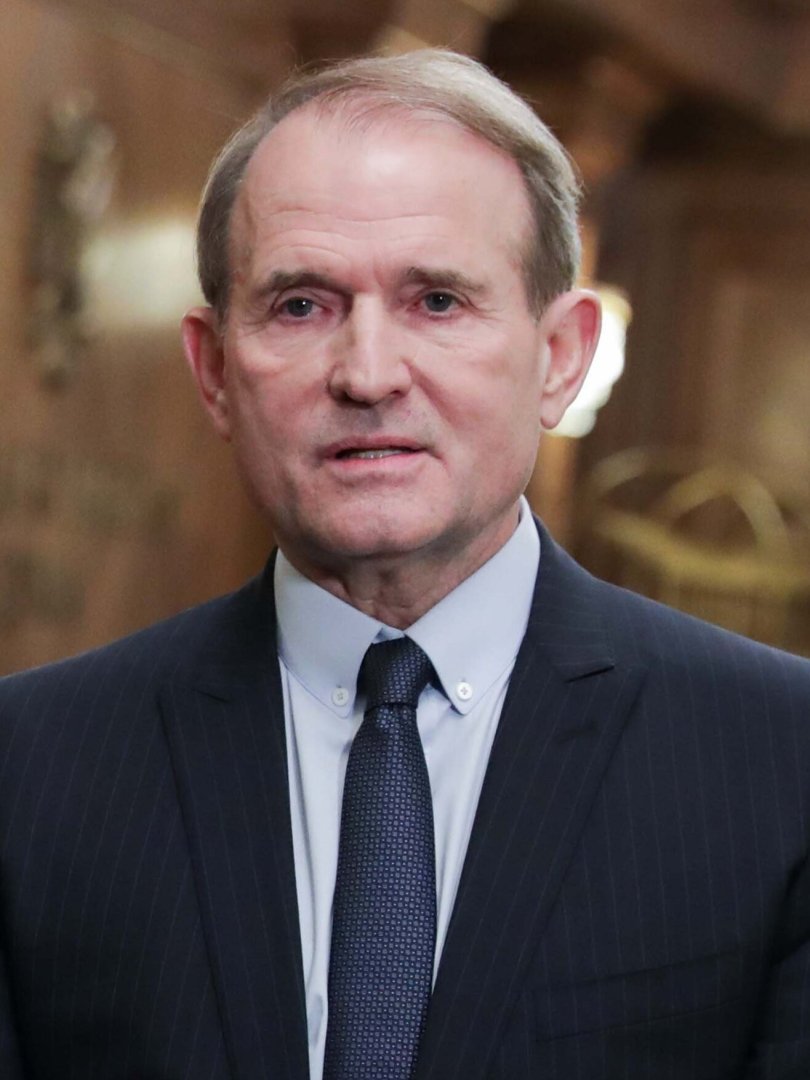
Investigations linked Voice of Europe funding to Viktor Medvedchuk, a pro-Russian Ukrainian oligarch and known member of Vladimir Putin's "inner circle." Medvedchuk, subject to Czech sanctions, allegedly used the platform to spread narratives aimed at compromising Ukraine's territorial integrity and sovereignty. As a direct countermeasure to this interference, the EU Council announced the suspension of all Voice of Europe broadcasting activities on May 17, 2024, explicitly recognizing it as an information manipulation tool targeting electoral processes and political minorities.
Sanctions Against Russian State Media
To address the threat of large-scale disinformation, the EU has imposed direct sanctions on major Russian state outlets, considered extensions of the Kremlin in the information conflict. These entities were accused of conducting information manipulation related to the war in Ukraine. The outlets sanctioned by the EU Council include RIA Novosti, Izvestia, and Rossiyskaya Gazeta. These measures reflect awareness that Russia's "information war" is a fundamental component of its hybrid strategy. Russian efforts are also noted to actively train a new generation of "war reporters" and self-styled "fact-checkers" with the explicit objective of spreading Kremlin propaganda and disinformation, thus ensuring a continuous and specialized flow of aligned messages.
The Voice of Europe operation insidiously used the perception of "press freedom" and media legitimacy to mask criminal money laundering and political corruption activity. The strategy was based on transforming illicit payments to politicians into an apparently journalistic transaction, namely payment for an interview. This complex mechanism made it more difficult for authorities to enforce anti-corruption laws and political funding transparency requirements. By offering money in exchange for an interview, the VdE operation conferred legitimacy on pro-Kremlin messages conveyed by corrupt politicians, allowing them to amplify propaganda under the guise of free debate. This approach ensures that messages are not simply external propaganda, but are presented as internal political opinions, amplifying the Kremlin's disproportionate impact on European civic debate.
Espionage and Penetration of Security Services
Russian interference also manifests through the penetration and co-optation of public officials and national security professionals, a vector aimed at compromising the strategic knowledge and operational capacity of Member States and EU institutions. The most striking espionage case at the national security level involves Austria. Egisto Ott, former officer of the Austrian Federal Office for the Protection of the Constitution and Counter-Terrorism, was arrested on charges of selling sensitive data to the Russian FSB. Ott is suspected of having provided the FSB with data extracted from the smartphones of three senior Austrian officials: a chief of staff of the Interior Ministry, the director of the federal police, and the director of the immigration office. Ott allegedly gained access to these devices when they were handed in for repair.
The espionage operation took place through the mediation of a German citizen, Jan Marsalek, former executive of Wirecard, who had fled to Russia or Belarus after his disappearance in 2020 and had longstanding ties with the FSB. Marsalek, known for actively collaborating with the Wagner mercenary group, acted as an intermediary to transmit data received from Ott and other recruited European intelligence officers to Moscow. This case demonstrates how Russia uses complex intermediation mechanisms to directly compromise Member State security apparatuses, gaining operational access to classified information, undermining internal trust and national security.
The "Revolving Doors" Phenomenon
Another structural vulnerability point concerns the "revolving doors" phenomenon, namely the rapid transition of former political leaders to lucrative positions in entities linked to autocratic states, including Russia. The European Parliament expressed strong condemnation of high-level former politicians, such as former prime ministers and government members, who accept paid positions in Russian, Chinese, or Iranian state enterprises immediately after the end of their political career. Such practice is considered a "clear conflict of interest." The risk is that these former officials exploit their internal knowledge, networks, and influence to serve the interests of the third state, exposing EU and Member State decision-making processes to a risk of undue influence and strategic manipulation.
The Oligarchs' Legal Counter-Offensive
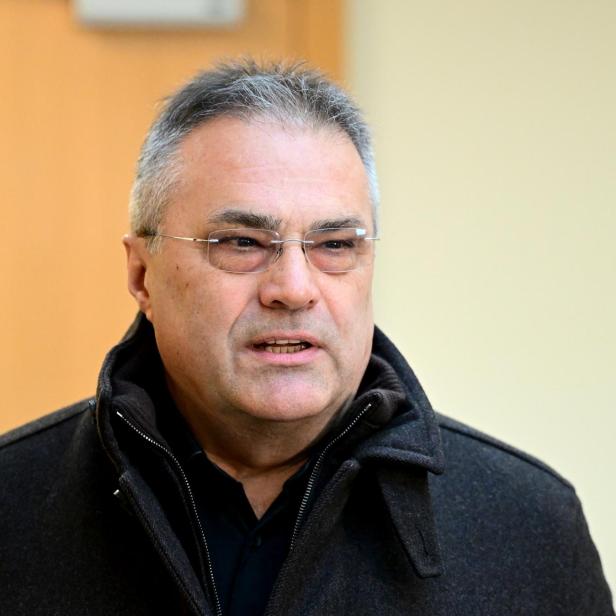
Russian oligarchs, although individually sanctioned with over 2,500 persons and entities affected and over 28 billion euros in private assets frozen, represent an aggressive front using European legal systems to resist restrictive measures. The European Trade Justice Coalition denounced that Russian oligarchs have initiated or threatened arbitrations for over 53 billion euros against EU Member States in relation to asset freezing and national security measures. This potential litigation amount is almost equivalent to the total military assistance the EU has provided to Ukraine since 2022. This legal counter-front demonstrates that resistance by aligned actors is not only passive, through sanctions evasion, but entails a direct strategic and economic cost for the EU.
Investigations and parliamentary condemnations highlight that the Kremlin's objective has evolved from simple lobbying to co-optation of strategic knowledge through revolving doors. The acquisition of high-level former leaders, or the recruitment of intelligence officials like Ott, gives Russia access to experts capable of navigating and exploiting European regulatory vulnerabilities. These individuals are essential for developing effective sanctions evasion strategies and planning the 53 billion euro legal counter-front. A high-level former politician offers invaluable operational and strategic intelligence value. The European Parliament's request to ban acceptance of positions in autocratic state enterprises is recognition that it is necessary to preserve not only institutional ethics, but also the EU's strategic security and operational knowledge against penetration by hostile third states.
The European Union's Institutional Response
Scandals and investigations into Russian funding and infiltration have pushed the EU to rapidly strengthen its institutional defense mechanisms and promote stricter legislative measures. Despite aligned voices, the European Parliament has maintained a largely united position against interference, calling for a cohesive and unified response. At the legislative level, the Commission presented a fundamental proposal to tighten the sanctions regime, proposing that violations of restrictive sanctions be considered a serious crime at European Union level. This legislative change is essential to ensure that those who violate measures are brought to justice and to strengthen rules on asset recovery and confiscation. This proposal complements the efforts of the "Freeze and Seize" Task Force, which operates with the G7 REPO Task Force to freeze private Russian assets in the EU.
In parallel, the EU is working to improve the "Defense of Democracy" package, including the proposed directive establishing harmonized requirements for transparency of interest representation exercised on behalf of third countries. The objective is to effectively address threats of undue influence and ensure that transparency is applied uniformly, overcoming regulatory gaps.
Security Reinforcement in the European Parliament
Revelations about the Ždanoka case and Moscowgate have highlighted the urgent need to address internal structural threats. The European Parliament has requested a significant strengthening of the "security culture" within the institution. Proposed measures include the introduction of stricter rules to prevent Russian interference, particularly by subjecting events organized in Parliament premises, invited external guests, and the use of Parliament's television and radio studios to more thorough scrutiny.
Furthermore, it was requested that the EU Transparency Register Secretariat ban any entity having direct or indirect relations with the Russian government, in line with Council decisions regarding restrictive measures. These requests aim to close the logistical and information access routes that allowed influence agents to operate freely within democratic headquarters.
The post-scandal institutional reaction marks a clear shift from the external defense strategy, traditionally focused on countering disinformation, to a structural counter-intelligence strategy. The fact that an alleged FSB agent could actively operate as an MEP for decades has forced institutions to recognize that the risk is not only ideological or media-related, but is deeply structural, requiring physical and information security measures. The request to control access to critical Parliament logistical resources is tangible demonstration of this paradigm shift: the priority is now to protect the security and credibility of European institutions themselves from hybrid attacks exploiting democratic guarantees for hostile purposes.
Conclusions and Recommendations
Comprehensive analysis of Russian interference in the EU reveals a layered network of aligned individuals and organizations, acting as influence vectors in political, media, and bureaucratic fields. Corrupt and dependent politicians include figures under investigation such as Maximilian Krah and Petr Bystron of AfD, involved in the Voice of Europe corruption scheme, and political formations like Marine Le Pen's Rassemblement National, bound by historic financial dependency. Their role is to legitimize Russian propaganda and undermine EU unity in support of Ukraine. The most dangerous profile is represented by operational intelligence agents, such as Tatjana Ždanoka in the European Parliament and Egisto Ott in national security services. These individuals represent direct FSB penetration and are capable of compromising sensitive information and institutional security.
Media and economic facilitators, such as the Voice of Europe organization financed by sanctioned oligarch Viktor Medvedchuk and sanctioned state outlets such as RIA Novosti, Izvestia, and Rossiyskaya Gazeta, are fundamental for propaganda dissemination and political influence laundering. Additionally, the oligarchs' legal front seeking billionaire arbitrations aims to impose a direct economic cost on EU sanctions policy.
Based on exposed vulnerabilities and the systematic nature of interference, recommendations include:
The threat represented by the Kremlin alignment network in the European Union is real, documented, and continuously evolving. The EU's response must be equally dynamic, coordinated, and resolute, to protect not only democratic institutions but the very idea of a united and sovereign Europe facing the challenges of the 21st century.